Related products
 Valve
ValveGate Valve
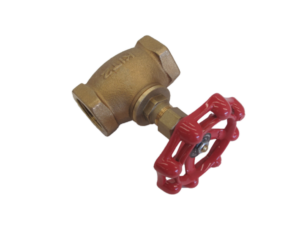
Read moreGate Valve imported from Japan, good properties, resistant to high friction. Suitable for on-off work, water blocking.
- Valve
Pressure Reducing Valve
Read morePressure Reducing Valve
Pressure Reducing Valve is a valve used to reduce the output pressure in both conditions: flowing and no water flow. - Valve
Safety Valve
Read moreSafety Valve also known as “Safety valve” or “Safety”, is a safety device of the system. Its main function is to release the pressure inside the system. The valve will automatically operate when the pressure exceeds the set value. This type of valve is used for compressible fluids such as steam or gases that require rapid pressure relief.
- Valve
Steam Trap
Read moreSTEAM TRAP Although steam trap is a small device, and the price is not high, it is very necessary and must be selected accordingly. Otherwise, it may cause enormous damage and loss to the factory without the management’s knowledge. The main function of the steam trap is to drain the condensate and the air or gas-generated or contained in the steam system to be discharged without the loss of steam from the system.