Related products
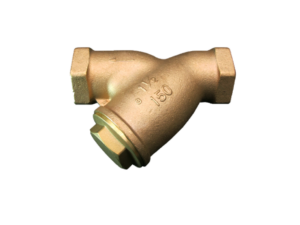
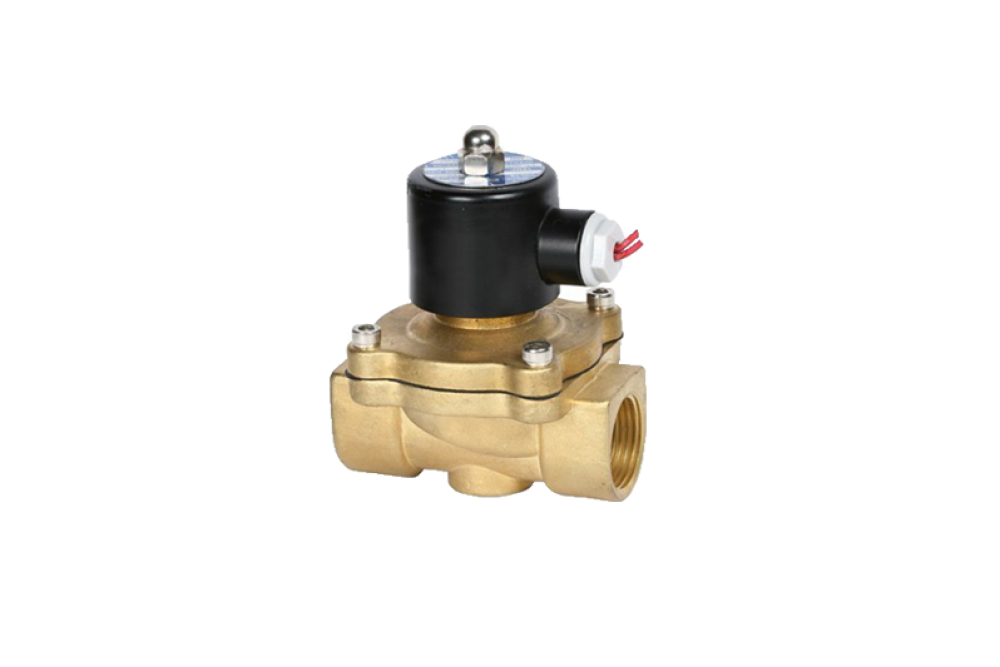
 Valve
ValveValve
Read moreSK Fitting Valve supplies valves for general use, high-rise buildings, and industrial facilities. We distribute leading international brands such as Kitz, Yoshitake, Tozen, and Yamamoto, along with domestically produced cast-iron valves under the TOMO brand and high-quality stainless steel valves from Taiwan.
- Valve
Ball Valve
Read moreBall valve is a valve that turns off the water inside a spherical shape. It has holes for water to flow through or close to prevent water from flowing. A key feature of the ball valve is that it can be fully open or closed, dimmed or moderately open.
- Valve
Safety Valve
Read moreSafety Valve also known as “Safety valve” or “Safety”, is a safety device of the system. Its main function is to release the pressure inside the system. The valve will automatically operate when the pressure exceeds the set value. This type of valve is used for compressible fluids such as steam or gases that require rapid pressure relief.