Related products
 Flange
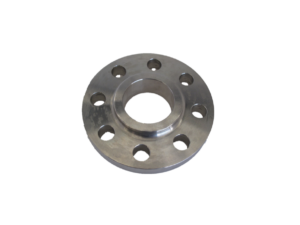
Customized Flange
Read moreS.K .Fitting Valve provides custom flange manufacturing services to meet specific project requirements across various industries.
- Flange
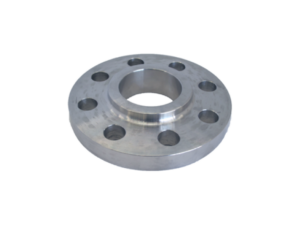
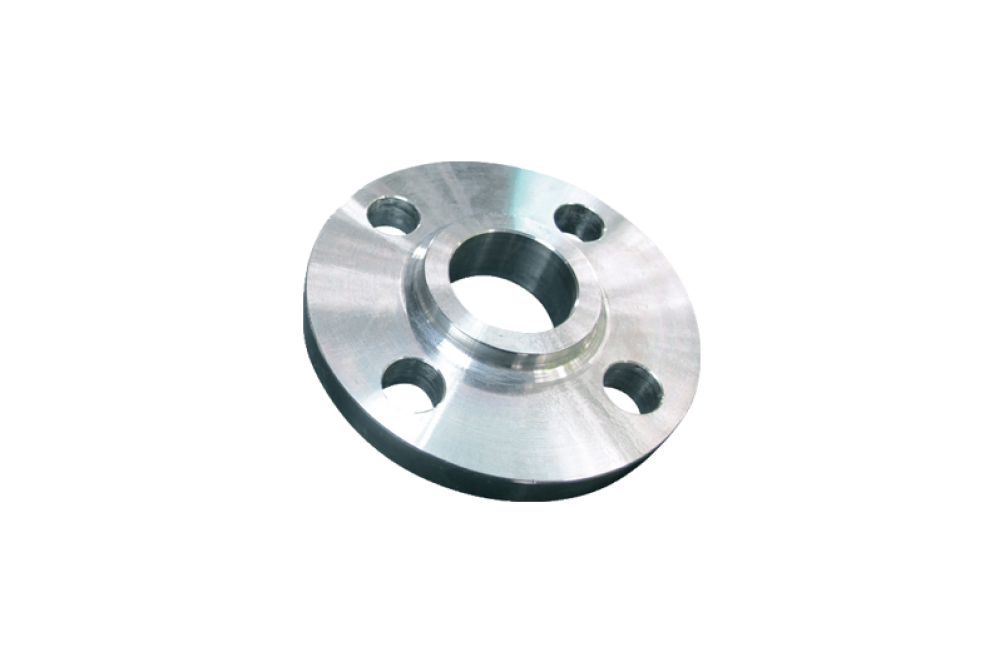
SO – Slip On Flange
Read moreA Slip-On Flange (SO Flange) is designed with an inner diameter slightly larger than the outside diameter of the pipe, allowing the pipe to slip into the flange before welding. The flange is then secured to the pipe using fillet welds on both the inside and outside to ensure sufficient strength and prevent leakage.
- Flange
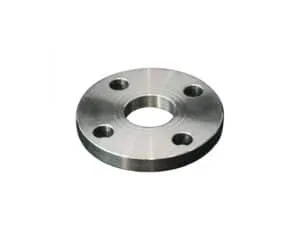
Plate Flange
Read moreSK Fitting Valve offers a broad variety of flat welded flanges with a wide range of features. These flanges are available in a variety of sizes to satisfy the needs of the customer’s application. They can be made from a range of materials.
- Flange
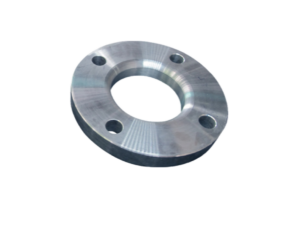
Lap Joint Flange
Read moreLap Joint Flange must be used together with the stub end by attaching the flange to the stub end and connecting the stub end to the pipe by the Butt Weld method. pipe body This can reduce the misalignment of bolt holes and reduce the torque caused by the misalignment of the pipe.